
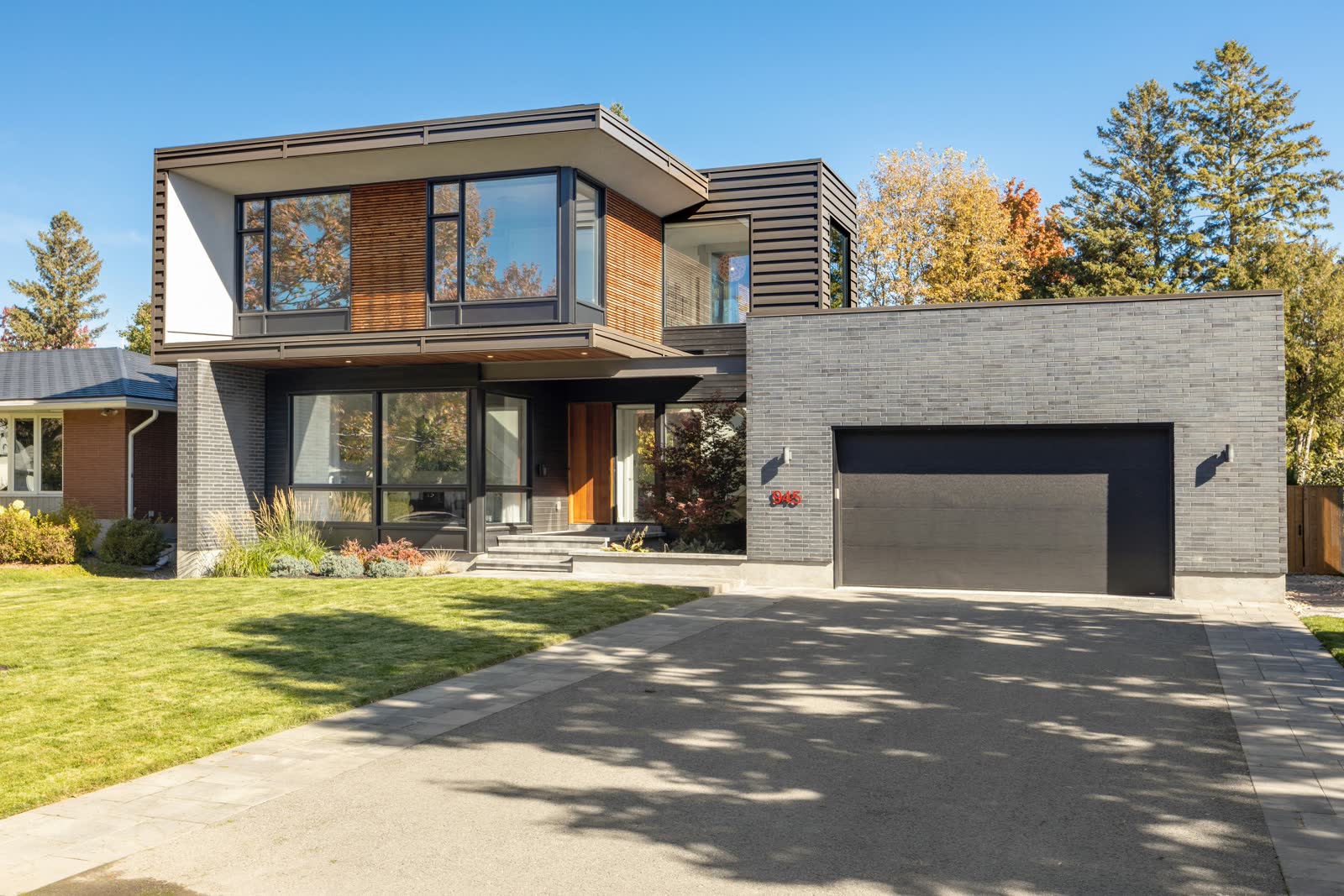
















Builder collaboration agreement in Delhi — a newly rebuilt stilt-plus-four builder floor on a South Delhi plot
SouthDelhiFloors · Collaboration Desk

The Builder Collaboration Agreement in Delhi

The deal that builds South Delhi — how landowner–builder collaborations actually work in 2026: the floor split, the cash component, compulsory registration, the tax rules, and the checks that protect owners and floor buyers alike.

By the SouthDelhiFloors Research Desk Updated July 2026 13 min read
What is a builder collaboration agreement?

A builder collaboration agreement — also called a joint development or development agreement — is a deal in which a plot owner contributes the land and a builder contributes the money and construction. The builder demolishes the old house and constructs a new stilt-plus-floors building at his own cost; in exchange, the owner keeps some floors of the new building (often with a cash payment on top) and the builder keeps one or more floors to sell. In Delhi, a collaboration agreement must be compulsorily registered at the sub-registrar with stamp duty paid, and ownership of each floor ultimately passes only through registered deeds — never through the agreement or a power of attorney alone.

Walk down any lane in Greater Kailash, Panchsheel Park or Anand Niketan and you are looking at this contract made concrete. The plotted colonies were built in the 1960s and 70s; their houses aged; and the collaboration model became the machine that rebuilds them — one plot at a time — into the modern builder floors of South Delhi. The owner gets a brand-new home worth multiples of the old one without spending a rupee of construction cost; the builder earns his floors; and the market gets fresh inventory in colonies where no new land will ever exist.

Because three parties ultimately depend on one document — owner, builder, and the eventual buyer of the builder’s floor — the collaboration agreement rewards precision and punishes shortcuts. Here is how the deal works from each chair.

S + 4Typical new build: stilt parking plus four floors on the plot
2–3Floors the owner commonly retains, plus a negotiated cash component
100%Of construction cost and approvals borne by the builder
RegisteredCollaboration agreements are compulsorily registrable in Delhi

How a builder collaboration agreement is structured

Every deal is negotiated, but four decades of South Delhi files converge on a recognisable shape. The split turns on the plot size, the colony’s price band, and how much cash changes hands alongside the floors.

The typical anatomy of a South Delhi collaboration deal (2026)
ElementWhat usually happens
The splitOwner retains two or three floors of the new stilt-plus-four building; the builder takes one or two floors to sell. Stronger colonies and larger plots tilt the split toward the owner.
Cash componentOn top of the owner’s floors, builders frequently pay a lump sum — the market’s way of balancing a split that can’t be cut finer than a floor.
Costs and approvalsThe builder bears demolition, sanction of the building plan, construction to agreed specifications, and all statutory compliances.
Possession & timelineOwners typically receive rent for alternate accommodation during construction, with a defined completion timeline and penalties for delay.
The builder’s authorityA registered agreement plus a specific, registered power of attorney lets the builder book and convey his floors — and only his.
Final ownershipEach floor vests through registered instruments with its undivided land share; the collaboration agreement itself transfers ownership to no one.

Notice what the structure implies: the same building will contain floors with two different histories — the owner’s retained floors and the builder’s sold floors. When one of those builder floors reaches the resale market, its paper trail runs through the collaboration agreement, which is why the document matters to buyers who were never party to it.

Builder collaboration agreement outcome — a rebuilt luxury stilt-plus-four builder floor facade in South Delhi
One plot, one agreement, four new homes: the collaboration model is how South Delhi renews itself.

If you are the plot owner: negotiate these six clauses hard

Specifications in writing

Brand-level detail — marble, lifts, windows, electricals — annexed to the agreement. “A-plus specifications” is a slogan, not a clause.

Timeline with teeth

A completion date, monthly delay penalties, and rent for your alternate accommodation until handover.

A limited, purpose-bound power of attorney

The PoA should authorise the builder to obtain sanctions and sell only his designated floors — never a general power over the whole property.

Security for performance

Bank guarantees or staged rights that keep leverage with you if the builder stalls mid-project. The builder’s floors should transfer only against completion milestones.

Sanctioned plan before demolition

The old house comes down only after the new plan is sanctioned. An owner standing on rubble has no negotiating position.

Vet the builder like a lender would

Completed projects in the colony, financial standing, litigation history. In this market the builder’s reputation is half the contract.

The tax clock for owners

Handing development rights to a builder is a taxable transfer. Under the joint-development regime, an individual owner’s capital gain is generally taxed in the year the completion certificate is issued, with the stamp-duty value of your retained floors (plus any cash) treated as your consideration — and a fresh gain arises if you later sell a retained floor. GST, meanwhile, touches the builder’s under-construction sales but not sales after completion. The framework now sits in the Income-tax Act, 2025; the arithmetic and elections belong with your chartered accountant, and our capital gains guide covers the seller-side rules in depth.

If you are buying the builder’s floor: three non-negotiables

First, read the registered collaboration agreement itself — confirm the floor you are buying is genuinely within the builder’s share, not the owner’s. Second, trace the authority: the builder’s registered PoA, and ideally the owner’s confirmation or a tripartite arrangement at your registry, so the conveyance can never be questioned if the PoA is later disputed. Third, run the full file — sanctioned plan, land share, dues — exactly as our builder floor buying checklist prescribes, and complete your own registration and mutation like any purchase. A collaboration-born floor with this trail intact is as clean as title gets; without it, you are buying someone else’s unfinished contract.

A collaboration is a marriage of land and money. The agreement decides whether it ends in a housewarming or a courtroom.
Mohit MinochaFounder, SouthDelhiFloors

Key takeaways

  • A builder collaboration agreement trades land for construction: the owner keeps floors of the new building (often plus cash), the builder sells his share.
  • In Delhi the agreement is compulsorily registered and stamped; ownership of each floor still passes only by registered deeds, never by the agreement or a GPA.
  • Owners should lock specifications, timelines, penalties, a limited PoA and security into the document before demolition.
  • Owner-side capital gains are generally taxed at the completion certificate on the stamp-duty value of retained floors; GST applies to under-construction sales only.
  • Buyers of a builder’s floor must verify the floor sits in the builder’s share and the authority chain is registered and intact.

Frequently asked questions

What is a builder collaboration agreement in Delhi?

A registered contract in which a plot owner grants development rights to a builder, who demolishes and reconstructs the building at his own cost. The owner retains agreed floors of the new building, frequently with a cash component, while the builder takes the remaining floors to sell.

Is registration of a collaboration agreement compulsory?

Yes. In Delhi a collaboration or development agreement creates rights in immovable property and must be registered at the sub-registrar with applicable stamp duty. An unregistered collaboration is a dispute waiting for a date.

What is the usual floor split between owner and builder?

On a typical stilt-plus-four rebuild, owners commonly retain two or three floors and the builder one or two, with the balance struck through a cash component. Plot size, colony pricing and who funds what move the split in either direction.

Who pays for construction and approvals in a collaboration?

The builder — demolition, plan sanction, construction to the agreed specification, and statutory compliances are his account. The owner contributes the land and, during construction, usually receives rent for alternate accommodation from the builder.

Does the collaboration agreement transfer ownership of the floors?

No. It creates development rights and obligations. Ownership of each floor, with its undivided land share, passes only through registered conveyance instruments — the owner’s retained floors to him, the builder’s floors to his buyers.

How is the plot owner taxed in a collaboration?

Under the joint-development provisions, an individual owner’s capital gain is generally chargeable in the year the completion certificate issues, taking the stamp-duty value of the retained floors plus any cash as consideration. Later sale of a retained floor triggers a separate gain. The rules now sit in the Income-tax Act, 2025 — structure the deal with a chartered accountant.

Is GST payable in a builder collaboration?

GST applies to the builder’s sales of under-construction floors; sales after the completion certificate are outside GST. The collaboration’s own GST treatment on development rights is technical and belongs in professional hands before signing.

Is it safe to buy a floor from a builder in a collaboration?

Yes — when the registered collaboration agreement shows the floor in the builder’s share, his registered PoA covers the sale, and ideally the owner joins or confirms the conveyance. Miss those checks and you inherit someone else’s contract dispute.

What happens if the builder abandons the project midway?

The agreement’s remedies decide everything: performance security, milestone-linked transfer of the builder’s floors, PoA revocation rights and arbitration clauses. This is why owners negotiate security before demolition, when leverage still exists.

Can an owner do a collaboration on leasehold land?

Practically no. The model depends on freehold title that can be carved into floor-wise ownership with land shares — which is why plots are converted to freehold before redevelopment.

Own a South Delhi plot? Know what it’s worth in floors.

We negotiate collaborations for plot owners — the split, the cash component, the specifications and the security — with the colony’s best builders. Four decades of these deals, on your side of the table.

SouthDelhiFloors is a property advisory, not a law firm or tax advisor. Agreements are drafted through empanelled counsel.

Market practice described as of July 2026. Registration requirements follow the Registration Act, 1908 as applied in Delhi (see doris.delhigovt.nic.in); tax treatment follows the Income-tax Act, 2025 and GST law, both subject to change. Take legal and tax advice on your specific deal before signing.

Share this:

Like this:

Like Loading…

SOUTH DELHI FLOORS

Clean Deals Only · Since 1984

Second-generation consultants for South Delhi’s finest builder floors, farmhouses and independent homes. Four decades of clean, verified transactions.

+91 99990 04511

Enquire Now

Tell us what you are looking for and a senior consultant will get back to you.

    Your Name

    Telephone Number

    Your Email (required)

    Enter Your Message

    © 2026 SouthDelhiFloors LLP · All Rights ReservedClean Deals Only · Since 1984

    Compare Properties

    Compare
    You can only compare 4 properties, any new property added will replace the first one from the comparison.
    Property in South Delhi : Buy Sell Properties, Flats, Homes, Apartments Call SouthDelhiFloors
    Contact
    close slider

      Your Name

      Telephone Number

      Your Email (required)

      Enter Your Message

      error: Content is protected !! Please Don\\\\\\\'t Try To Copy